

From Rock to Aggregate: Step by Step

1.
Planning and Preparing the Designated Area
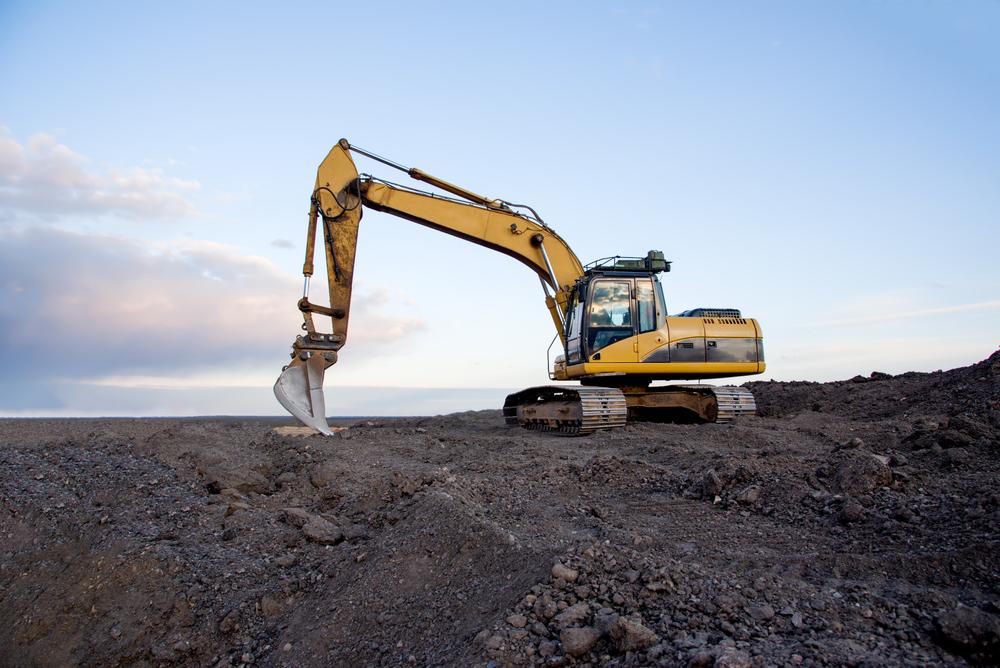
This stage begins with a geological survey to examine the rock layers, assess their quality, and determine their suitability. Next comes detailed quarry planning — defining blasting zones, calculating quantities, and coordinating with safety authorities. At the same time, the site is prepared through clearing and paving access roads for heavy machinery and trucks.
2.
Drilling and Charging Explosives
First, holes are drilled at the designated locations and angles defined in the blasting plan. Explosives are then charged according to engineering calculations, following strict safety protocols. Finally, the holes are sealed to prevent any unintended dispersion of the material.
3.
Controlled Blasting
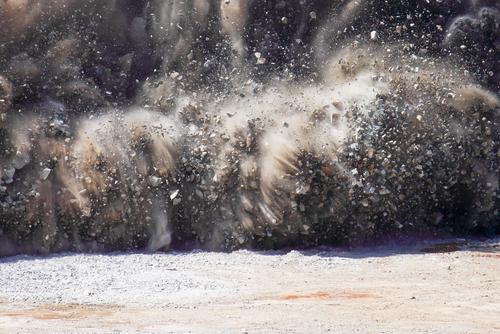
Before the blast, the site is closed off and safety warnings are issued. The blast itself is carried out at a scheduled time under strict engineering supervision. Once completed, an initial inspection is conducted to evaluate the results and ensure equipment integrity.
4.
Collection and Transport of Raw Material
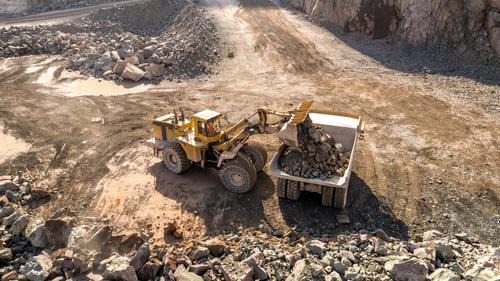
At this stage, the blasted rock is loaded using excavators and loaders and transported to the crushing facilities (crushers).
5.
Crushing and Screening
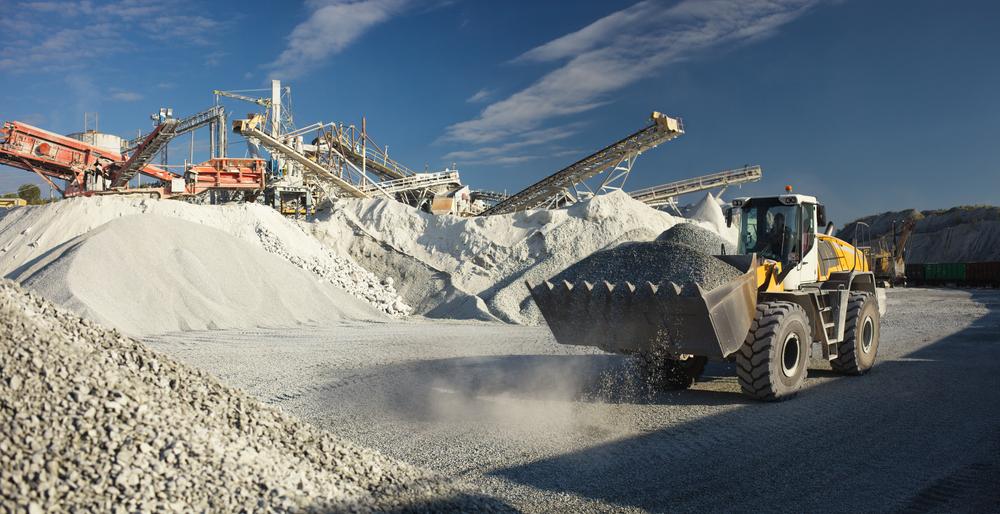
In the primary crushing stage, large rock masses are broken down into smaller pieces, followed by secondary crushing to produce aggregates in the required sizes. Next, the materials are screened and separated by size — sand, gravel, sesame and more — with optional washing to remove dust and fine particles when needed.
6.
QA Testing
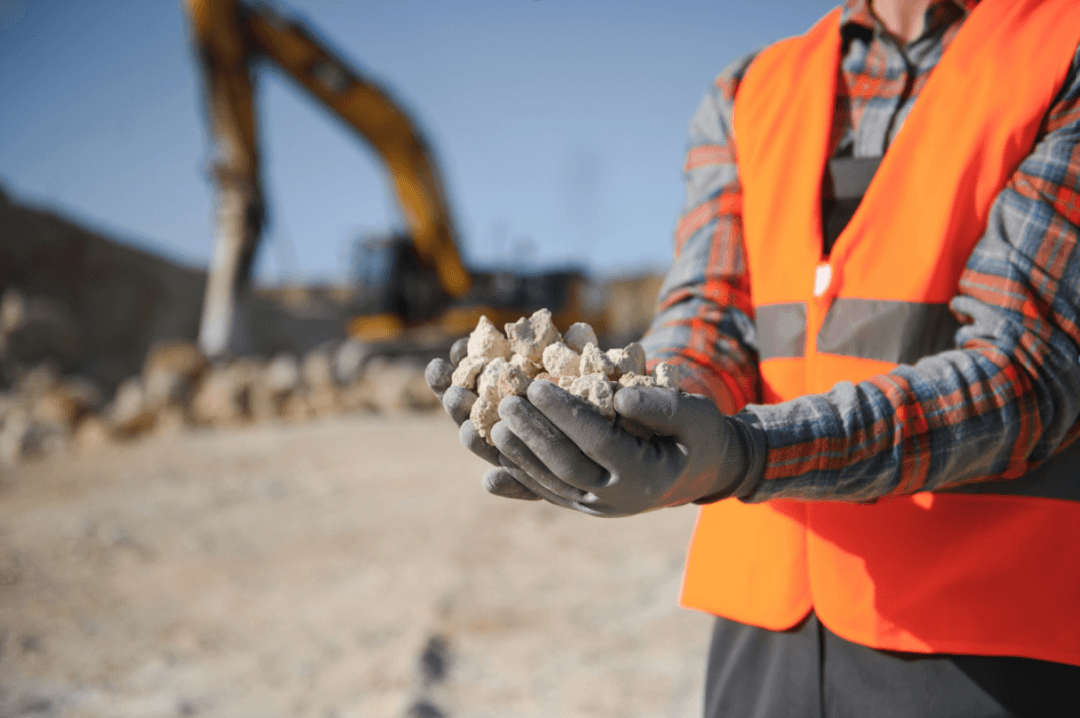
At Sorek Quarries, an on-site laboratory conducts tests for strength, grain size, absorption, and cleanliness. This rigorous quality control process ensures full compliance with Israeli and international standards — before the material is released to the customer.
7.
Storage and Preparation for Transport
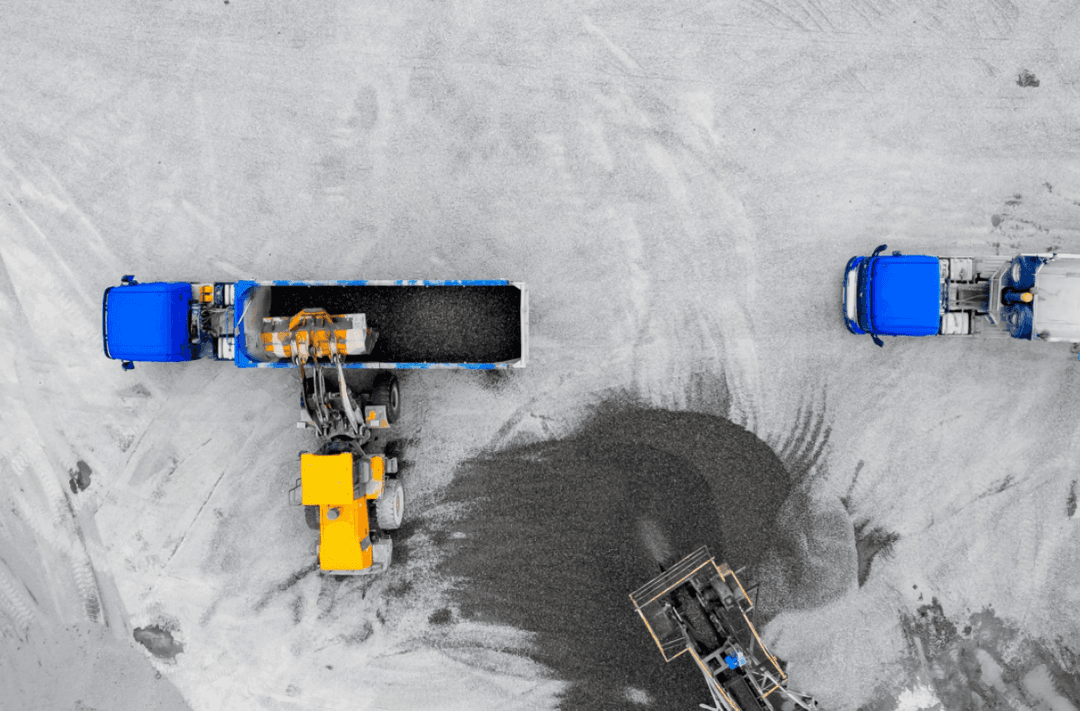
At this stage, the processed raw materials are organized into neat stockpiles, sorted by type and size, and clearly labeled. They are then moved internally toward the loading points.
8.
Loading and Delivery to the Customer
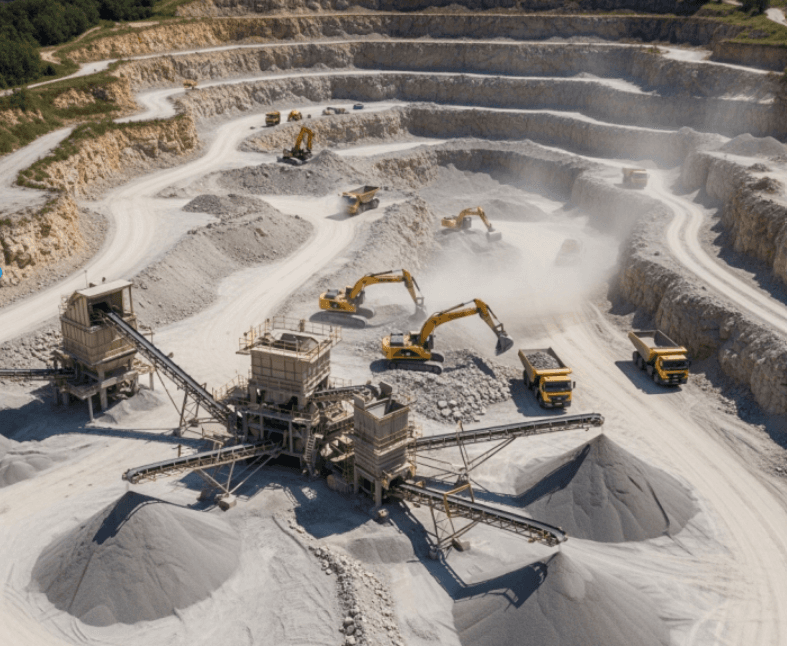
The raw materials are loaded onto trucks according to the order specifications — quantity, type, and size — and delivered to their final destination: contractors, concrete plants, asphalt plants, and more. Upon delivery, a digital confirmation is issued, verifying the order and supply details.